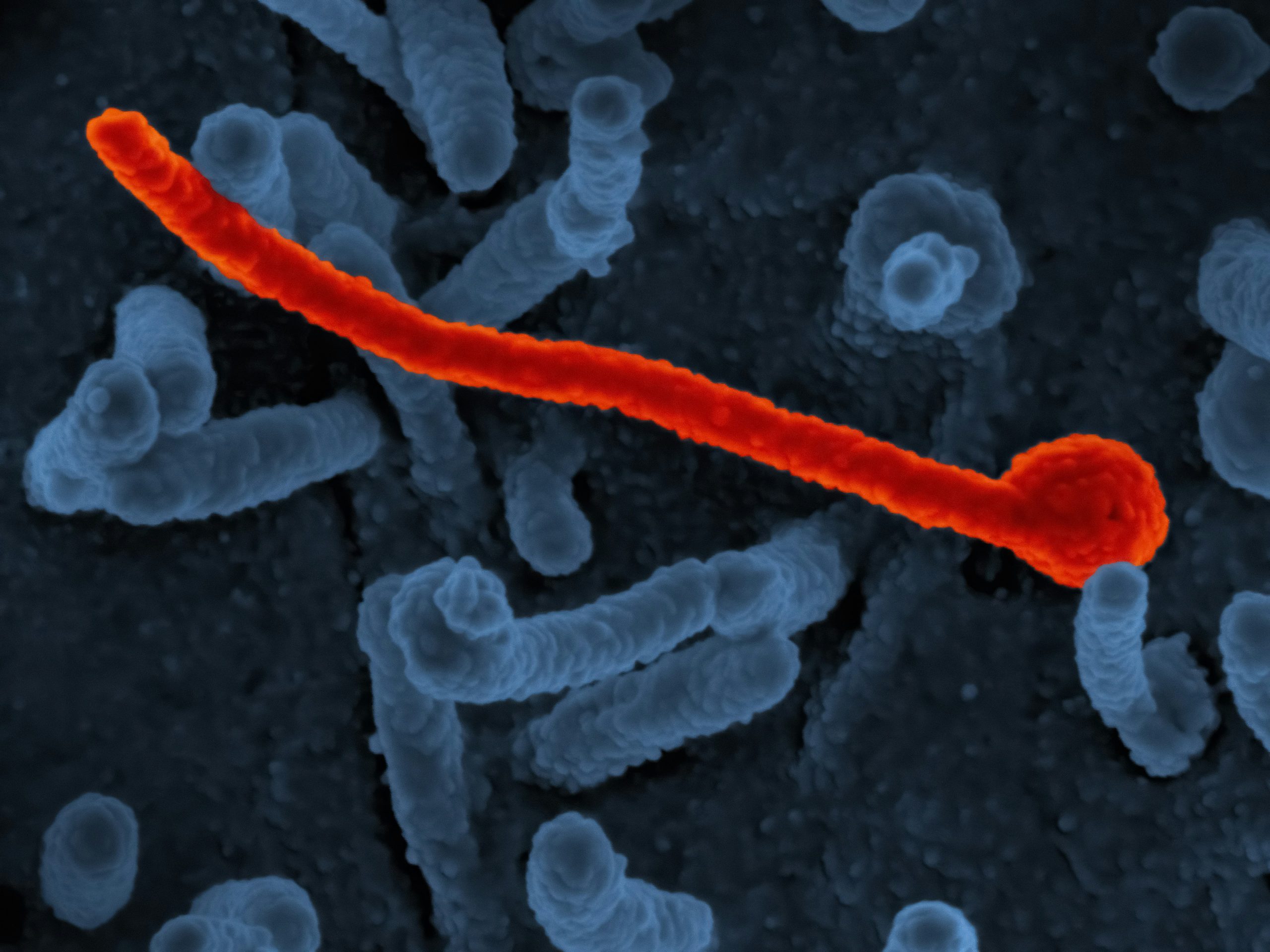

A disfiguring and potentially fatal parasitic disease present in southern Europe, Leishmaniasis sounds like something from a B grade horror movie but unfortunately that is not the case and the risk is increasing. The insect vector is only 1/3 the size of a mosquito and yet contact with its bite can have devastating consequences for those infected.
Leishmaniasis is a parasitic disease that affects millions of people worldwide. It is caused by the Leishmania parasite, which is transmitted to humans through the bite of infected female sandflies. The disease is prevalent in tropical and subtropical regions, and it affects people of all ages and genders. Leishmaniasis in Europe is predominantly in the southern regions of the continent such as the Mediterranean and it is particularly prevalent in Turkey.
Transmission of Leishmaniasis
Leishmaniasis is transmitted to humans through the bite of infected female sandflies. The sandflies are usually active during the night and feed on the blood of humans and animals. When an infected sandfly bites a human, it injects the Leishmania parasite into the skin. The parasite infects the immune cells and replicates inside them. The infected cells may then spread the parasite to other organs, such as the liver, spleen, and bone marrow.
Leishmaniasis is not contagious, and it cannot be transmitted directly from person to person. However, people living in close proximity to each other may be exposed to the same sandfly vectors, increasing their risk of infection.
Types of Leishmaniasis
Many of those infected by leishmaniasis will remain without signs or symptoms of their infection. But for others it can be a serious problem. There are three main types of leishmaniasis: cutaneous, mucocutaneous, and visceral.
Cutaneous leishmaniasis (CL) is the most common form of leishmaniasis. It is characterized by skin lesions that may appear weeks or months after the sandfly bite. Cutaneous leishmaniasis is usually self-limiting, and the lesions may heal without treatment within a few months to a year. However, depending on the site of the skin lesion, some cases may require antimony-based drugs, cryotherapy, or other interventions to lessen the risk of serious scarring.
Mucocutaneous leishmaniasis (MCL) is a more severe form of the disease that affects the mucous membranes of the nose, mouth, and throat. Mucocutaneous leishmaniasis occurs when the Leishmania parasite spreads from the skin to the mucous membranes. The symptoms of MCL include nasal congestion, epistaxis, difficulty swallowing, and hoarseness. The lesions can cause disfigurement, and they can be difficult to treat. Mucocutaneous leishmaniasis usually requires long-term treatment with antimony-based drugs or other potentially toxic medications.
Visceral leishmaniasis (VL), also known as kala-azar (the ‘Black Death’), is the most severe form of leishmaniasis. It affects the internal organs, such as the spleen, liver, and bone marrow. The symptoms of VL may include fever, weight loss, anaemia, enlargement of the liver and spleen as well as low white cell levels. Visceral leishmaniasis can frequently be fatal if left untreated and it requires prompt diagnosis and treatment with antimony-based drugs, liposomal amphotericin B, or other medications.
Diagnosis of Leishmaniasis
The diagnosis of leishmaniasis can be challenging, especially in areas where the disease is not endemic. The diagnosis is usually based on clinical symptoms, travel history, and laboratory tests. The laboratory tests may include:
- Microscopic examination of tissue samples or smears: A biopsy or a scraping of the skin lesion is examined under a microscope for the presence of Leishmania parasites.
- Serological tests: Blood tests can detect antibodies against Leishmania parasites, but they are not always reliable.
- PCR evaluation
Prevention of Leishmaniasis
There are a number of steps that can be taken to prevent an individual contracting Leishmaniasis. As the primary method of transmission comes from the bite of a female sandfly, regular use of insecticides in areas where sandflies are prevalent will provide a layer of protection from infection.
Control of potential reservoir hosts is another method that can prove effective. Reservoir hosts include domestic dogs, foxes, gerbils, and jackals. Close monitoring of hosts such as domestic dogs is advised while avoidance of contact with non-domesticated reservoir hosts is also encouraged.
As with any disease that is poorly reported, awareness is crucial to prevention. Awareness campaigns from local and international health organisations can make the general population more aware of the dangers of Leishmaniasis and thus reduce the risk of people unwittingly becoming infected with the disease.
Travellers to the Mediterranean regions should include care against the sandfly among their standard precautions to lessen their personal risk of contracting this disfiguring disease.
References:
Leishmaniasis in the WHO European region
https://www.euro.who.int/__data/assets/pdf_file/0007/246166/Fact-sheet-Leishmaniasis-Eng.pdf
Leishmaniasis emergence in Europe
https://www.eurosurveillance.org/images/dynamic/ee/v15n10/art19505.pdf