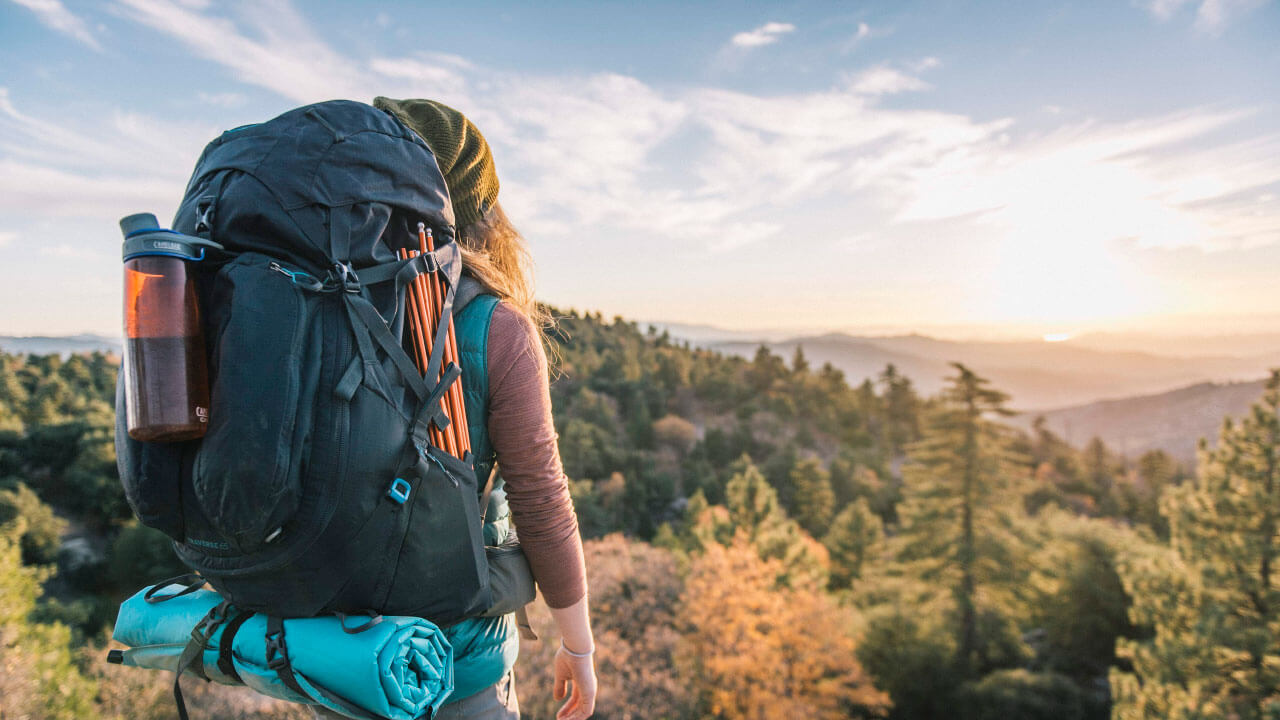
The continuous upsurge in backpacking holidays leads to some difficulty for those of us trying to provide health advice for backpackers. It’s important to see advice on good health care so that your personal health can be protected to the greatest possible extent during this trip. Vaccines, avoiding mosquito bites, what to eat and drink and many other issues need to be covered by the travel doctor.
Personal Health
It is essential to ensure that your personal health will be sufficient for the trip you have planned. If you have a significant medical condition (eg heart problems, diabetes, epilepsy, asthma etc) then it will be important to talk this through in great detail to make sure you are not taking unnecessary risks. If you have never camped in the Dublin Mountains how come you think you will be able to cope with a tent on the Thai/Myanmar border or in some hut at 18,000 feet in Nepal!
Safety & Security
Watch your belongings at all times. Don’t carry any item that is of sentimental value and don’t flaunt any personal wealth.
Never carry any items for another person and, especially if you have not had your belonging with you at all times, carry out a very careful check before you travel through any custom checkpoint.
Many backpackers will rest during the day and ‘party’ throughout the evening hours. Ask around and then choose clubs frequented by other backpackers. Remember to watch your belongings and particularly your drinks. If you are unsure, get a fresh drink rather than take any chances.
To get back to your lodging never travel alone and always use authorised taxis where possible. Carry $20 – $50 in small notes separately somewhere on your person in case you are mugged.
Vaccinations – Travel Tips & Health Advice for Backpackers
Backpackers will be at higher risk of a variety of diseases while abroad and will generally require a more extensive vaccine programme. These may include ‘extra’ vaccines like Hepatitis B, Rabies, Meningitis, Japanese Encephalitis etc. Make sure you have plenty of time to complete the necessary courses before you leave if at all possible. Sometimes the doctor may suggest carrying an emergency antibiotic in case you can’t find competent medical attention.
Thank you for reading Travel Tips & Health Advice for Backpackers. For more information please visit Travel Health Advice – Backpacking PDF.