This is a rapidly evolving and ever changing situation which is causing major concern to health authorities throughout the world. The ongoing outbreak began in China but infections have been reported in several other countries. Countries where COVID-19 is circulating in the community include China, Hong Kong, Iran, Japan, Singapore, South Korea, and the Northern Italian regions of Lombardy, Piemonte, Veneto and Emilia-Romagna.

WHAT IS A CORONAVIRUS?
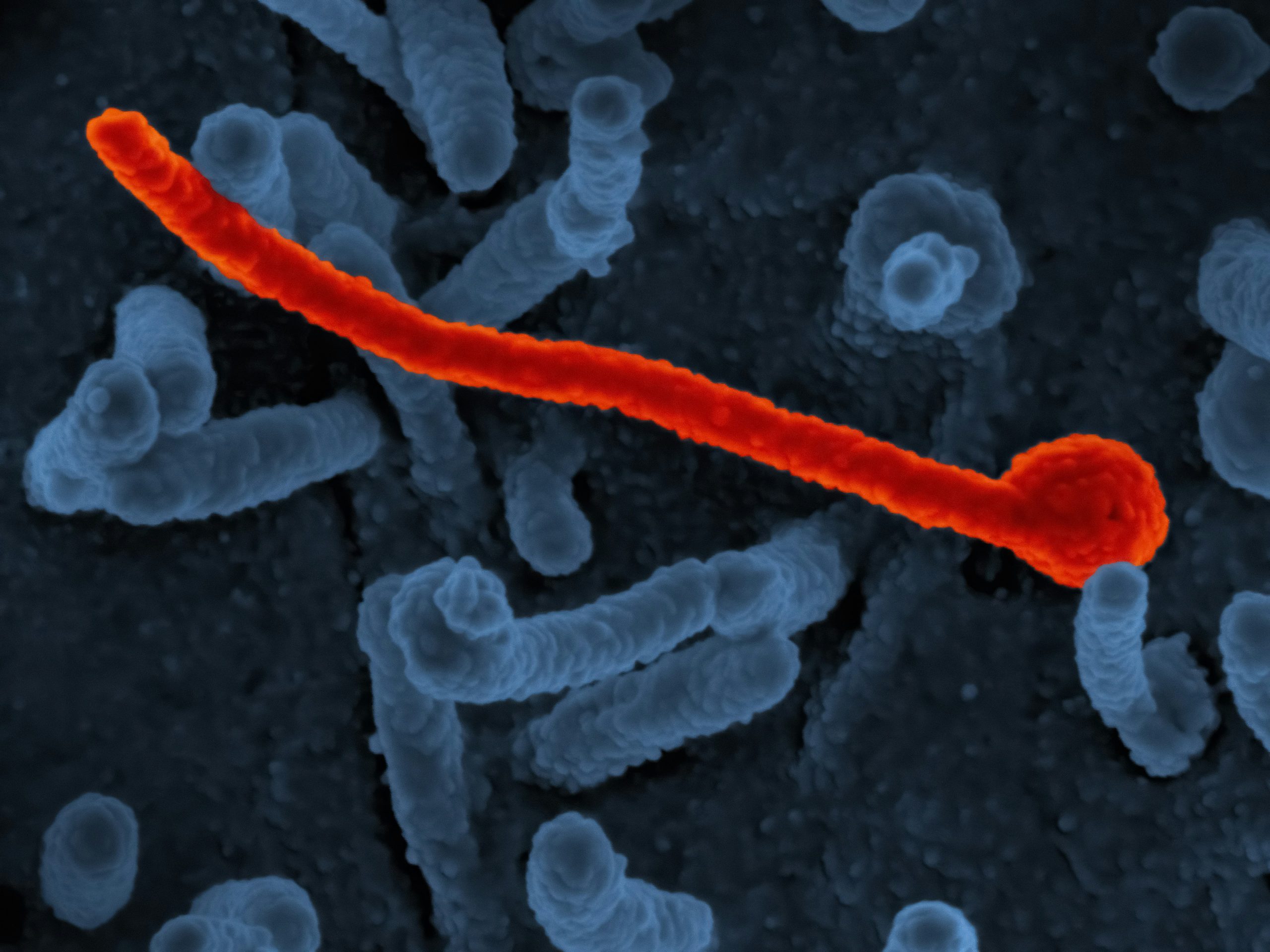
Coronaviruses (CoV) are a large family of viruses that cause illness ranging from the common cold to more severe diseases such as Middle East Respiratory Syndrome (MERS-CoV) and Severe Acute Respiratory Syndrome (SARS-CoV). A novel coronavirus (nCoV) is a new strain that has not been previously identified in humans.
Coronaviruses are zoonotic, meaning they are transmitted between animals and people. Detailed investigations found that SARS-CoV was transmitted from civet cats to humans and MERS-CoV from dromedary camels to humans. Several known coronaviruses are circulating in animals that have not yet infected humans.

COVID-19 TRAVEL ADVICE
As this is a rapidly evolving situation, we advise that you visit the following websites regularly for further details if you are planning to travel for the latest updates.
The European Centre for Disease Prevention and Control
The World Health Organisation
The Health Protection Surveillance Centre
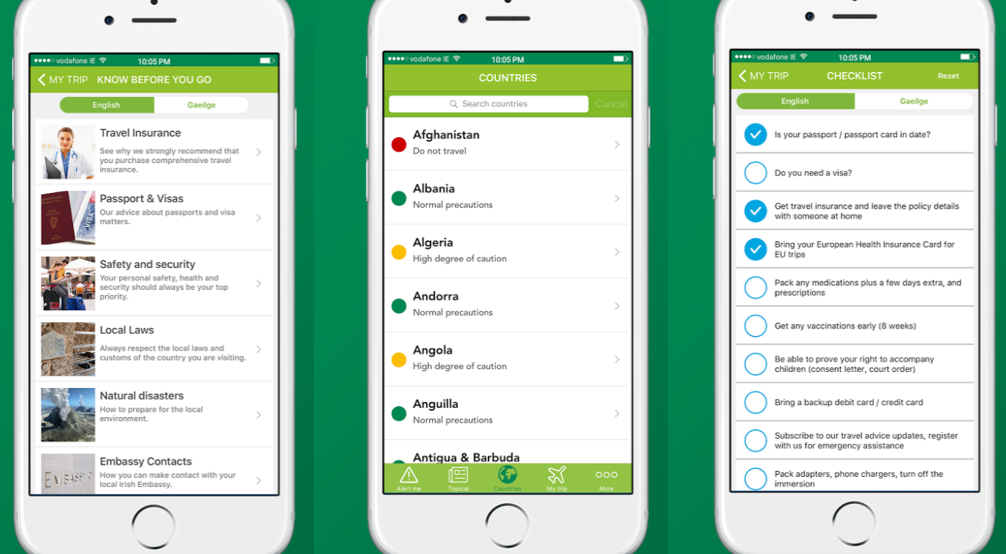
You can download the Department of Foreign Affairs and Trade’s Travel Wise App which helps Irish citizens to stay safe and informed while travelling.
HOW DO I PROTECT MYSELF WHEN I TRAVEL?
- Wash your hands often with soap and water or use an alcohol based hand rub
- If you are coughing or sneezing, cover your mouth and nose with a tissue. Throw the used tissue away into a closed bin, and wash your hands. If you don’t have a tissue, cough or sneeze into your flexed (bent) elbow.
- Avoid close contact with anyone who you know has cold or flu symptoms.
- Do not rely on surgical masks to reduce transmission, they are not effective

WHAT IF I HAVE COME INTO CONTACT WITH A PERSON DIAGNOSED WITH COVID-19?
If you ARE UNWELL AND develop symptoms of fever, cough, or shortness of breath you should:
- Stay at home / in your hotel
- Do Not go out to public places
- Do Not go to college/university or work
- Please phone your GP or emergency department for medical advice, rather than turning up in person
- Make sure that, when you phone, you mention that you have recently travelled AND had exposure. These health services will arrange for you to get medical help.
If YOU ARE WELL (no fever, cough or shortness of breath)
Stay at home / indoors in your hotel and contact the local Public Health Department or check for updates with the sources listed below for further advice. It can take symptoms up to 14 days to present. If you do develop any symptoms you should seek medical advice by phone, rather than turning up in person.

STILL WORRIED?
Our experts will consult with you on the coronavirus outbreak & how it will affect your travel plans. Be aware that wherever you travel there are vaccine preventable diseases such as flu. It’s important you are protected against these along with being aware of any outbreaks that may affect your trip. Book a consultation with us today if you have any concerns about your upcoming trip.
The European Centre for Disease Prevention and Control
The World Health Organisation
The Health Protection Surveillance Centre