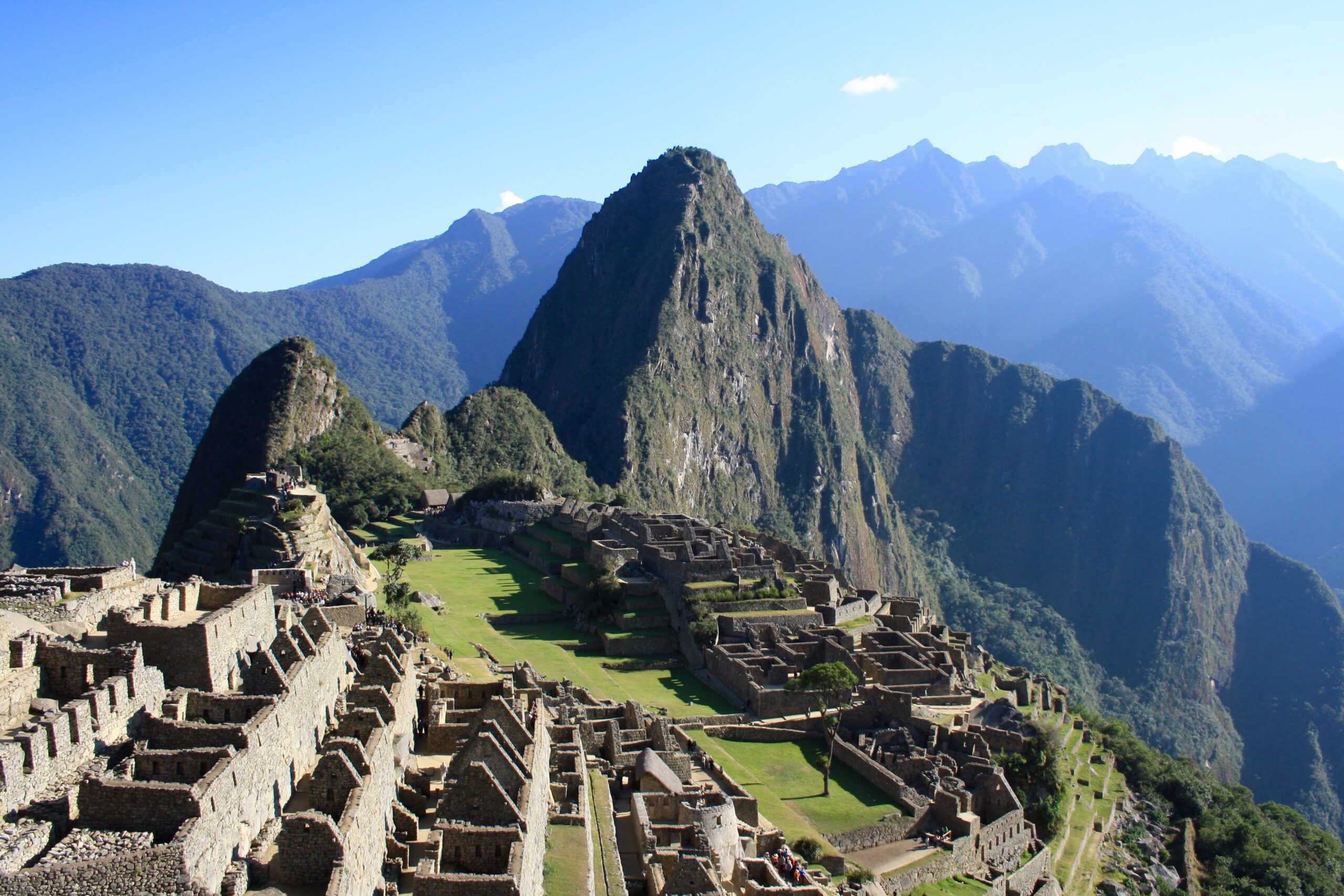
Peru is a breath-taking country, famous for its majestic ruins, stunning scenery and rich cultural heritage. With its changeable climate and diverse landscapes, it’s definitely advisable to be as prepared as possible before jetting off to this gorgeous destination. Here, Nicola Connolly from www.bestofperutravel.com shares her Peru travel tips and advice about how to stay healthy and happy on your adventure.
Staying safe in Peru
The majority of places you will encounter on your travels in Peru will be full of tourists and heavily monitored by the tourist police. Like anywhere else in the world, it’s best to use your common sense at all times and avoid drawing unnecessary attention to yourself. Always take licensed taxis, don’t wander about by yourself at night and avoid flashing expensive gadgets or jewellery.
Best time to visit
In my opinion the best time to visit Machu Picchu and Cusco is undoubtedly in April and May or September and October. The weather conditions during these months are ideal – not too hot or too cold – and you avoid the hordes of travellers that flock to the ruins between June and August. Head to Lima during the city’s summer season, between December and April, when you can make the most of the beautiful Pacific beaches.
Visas and passports
It’s pretty easy to get a visa on arrival for Peru as an EU citizen but make sure to check your specific requirements before getting on the plane. Your passport should be valid for six months and have at least two free pages in the visa section. Remember to hold onto the tourist card you receive when you enter the country. You’ll have to pay a whopping 18% sales tax on accommodation and a fine on leaving if you lose it!
Vaccinations
It is recommended that all travellers visiting Peru are vaccinated against tetanus, hepatitis A and typhoid. Those heading into rural areas should also get a tuberculosis immunisation, while trekkers require hepatitis B and rabies vaccinations. Avoid mosquito bites and the risk of malaria by using a high-quality insect repellent and taking antimalarial medication.
Money and banking
Fake money is a problem in Peru so make sure you never exchange cash on the street. Stick to reputable banks, such as Banco de Credito del Peru, Scotiabank and BBVA Banco Continental on Avenue del Sol in Cusco. Many hotels take US dollars although traveller’s cheques are less readily accepted. Make sure you keep smaller quantities of the local currency, nuevo sol, on you to pay for snacks, water and souvenirs.
Packing tips
Being comfortable in Peru is all about layering. The temperature can change dramatically between day and night so it’s important that you’re prepared. I would advise investing in some zip off trousers that can be transformed into shorts, as well as a decent waterproof jacket and high-quality hiking boots. Other items to add to your packing list include a hat, scarf, gloves, ear plugs and sunscreen.
There’s plenty to smile about in awe-inspiring Peru. If the colourful cities and exquisite beaches don’t do it for you, then the dramatic Inca ruins and lush Amazon rainforest most certainly will. Follow these top tips and enjoy a truly once-in-a-lifetime Peruvian adventure.
—
Book an appointment at a TMB clinic to speak with a qualified professional about the vaccinations you require for travelling in Peru. You can also get expert advice about antimalarial medication, insect repellent and other travel essentials.
For more information about Peru and specialist travel tips please visit www.bestofperutravel.com.