Whether travelling on business or on holiday’s peoples behaviour often changes, inhibitions come down and alcohol consumption goes up. Holidays in particular are about entertainment and in some countries the sex industry is very much a part of this ‘entertainment’. Irish travellers fall into two categories.
The Business Traveller and Casual Tourist
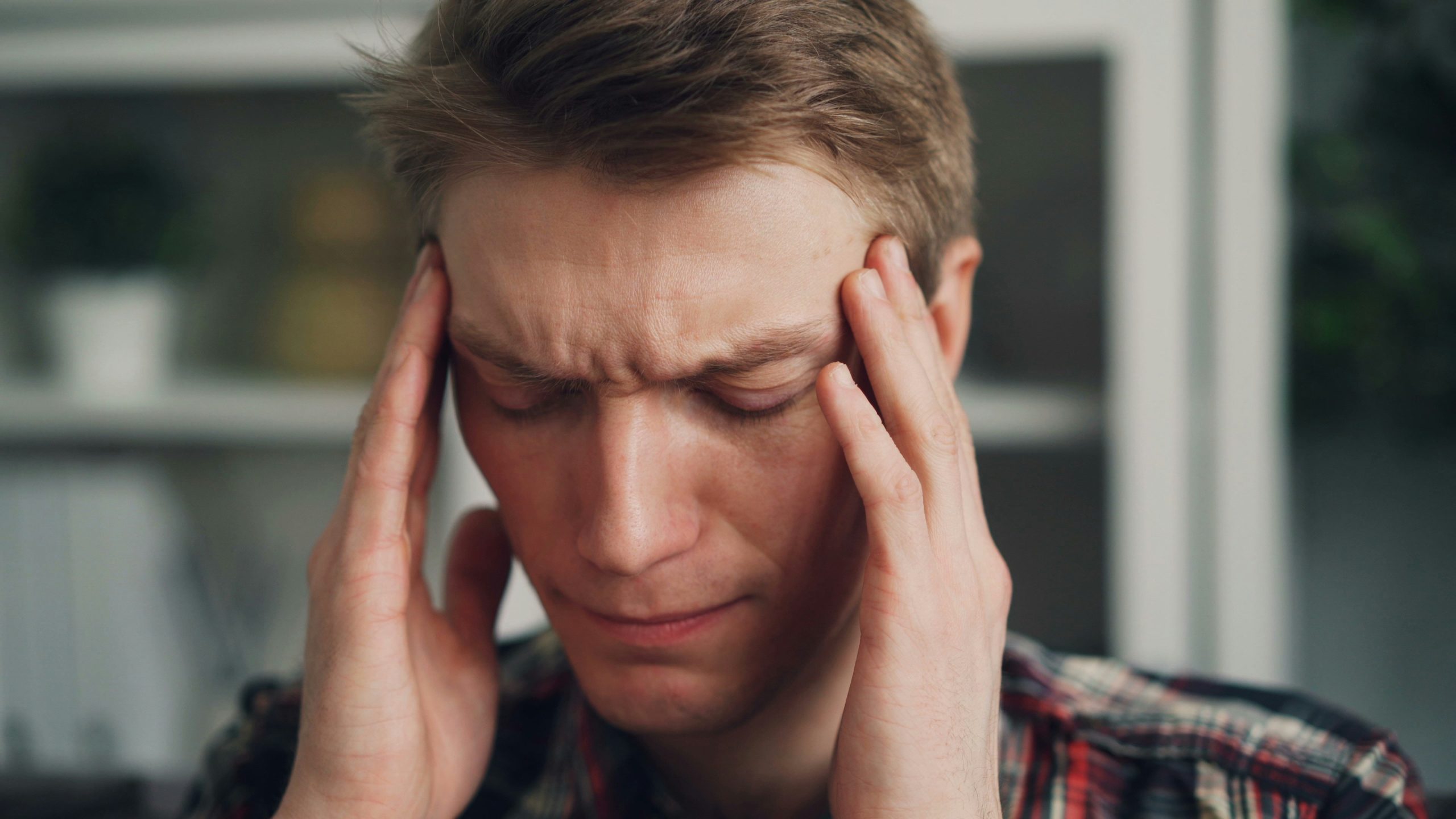
This type of traveller finds him or herself in ‘trouble’ usually due too much alcohol or too much temptation close to the hotel. They did not intend to have any causal sexual encounters but it happened nonetheless. The next morning begins in panic with the traveller left worrying about the consequences of previous night. If you can’t remember the previous night this will cause you greater concern.
Remember that it’s not just other nationalities that carry these diseases, you may fly a 1000 miles and meet the girl or guy that lives next door, a few drinks and…
The Sex Tourist
This is just as big an issue with Irish travellers as it is with other nationalities. While both males and females fall into this category but the majority travelling from this country are often young males travelling in small groups. Their prime intention is to engage in sexual activity will abroad. For some countries this is a major industry bringing in valuable foreign currency even if its not officially encouraged. Whatever about the moral views, this type of ‘tourist’ are exposing themselves and other partners to the risk of many diseases like AIDS, Hepatitis B, syphilis an so on. It is estimated that over 80% of prostitutes in Thailand have AIDS.
Condoms do not offer fully protection and diseases like Hepatitis B have other ways of spreading. Often locally produced condoms may not be of the same standard and so may place the traveller at greater risk.
When you return seek immediate advice from your doctor, you could be placing yourself, partner or children at risk. The best advice is not to put yourself at risk in the first place. Watch your alcohol consumption and don’t leave your brain at the Airport!