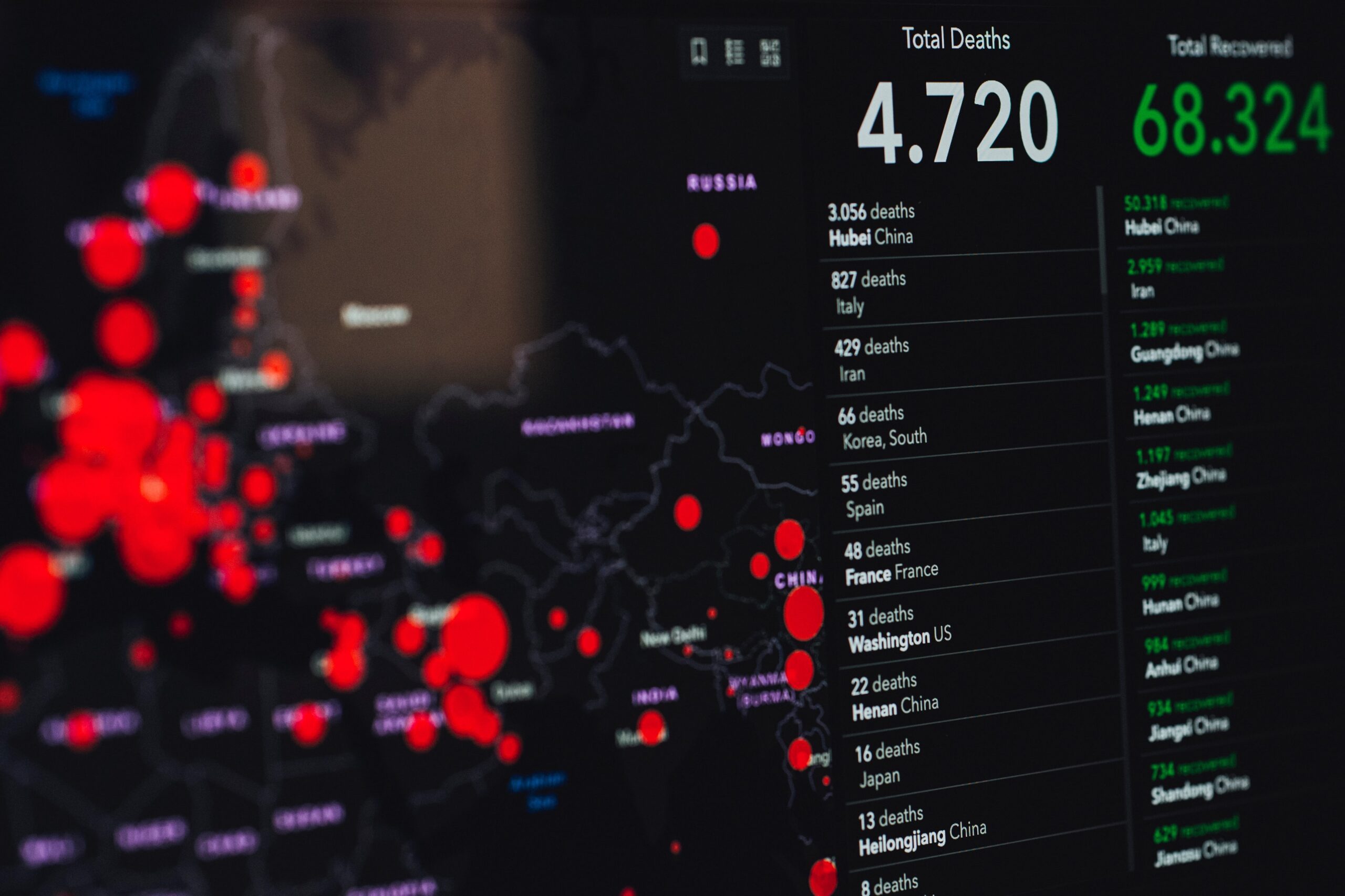
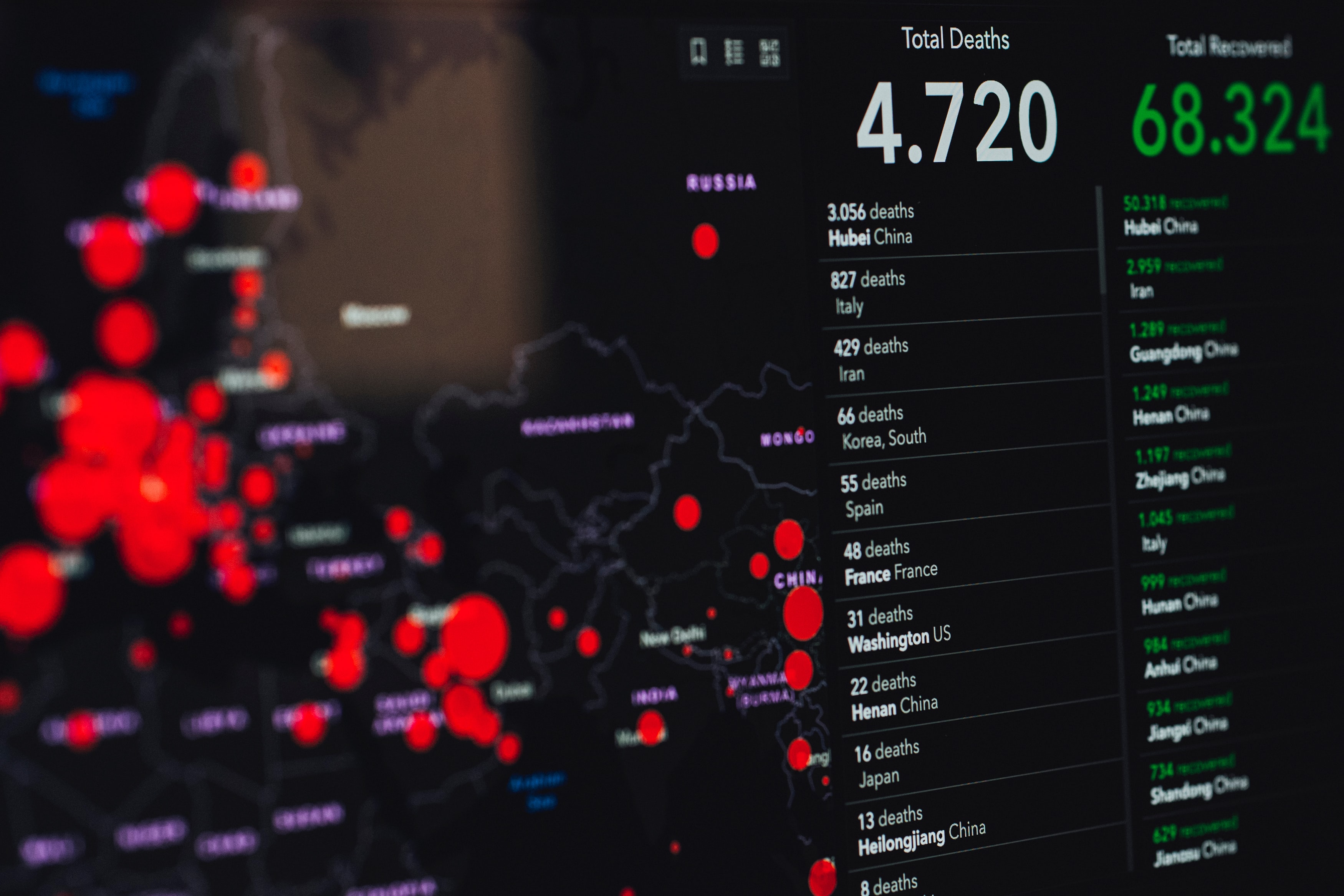
The Covid-19 pandemic has caused a lot of uncertainty with regards to travel in recent days and weeks. One of the problems facing a number of people in South America, Peru in particular, is difficulty returning home due to closed borders and cancelled flights. TMB is here to help so, in this blog, we want to help you to stay safe and healthy in Peru.
Safety
The crime rate in Peru, including serious crime and violent crime, is high and therefore it is always necessary to be vigilant. Take particular caution at bus terminals and when taking taxis. To ensure you are staying safe and healthy in Peru, as a rule of thumb you should avoid isolated areas especially after dark. In case of an emergency dial 105 to contact the National Police. Check out our top safety tips for using public transport when travelling here.
Health
Amid the current Covid-19 pandemic, please ensure that you are washing your hands with soap thoroughly, or alcohol gel is helpful when hand-washing facilities are not available. On top of this, it is important to avoid people with flulike symptoms, avoid touching your eyes, nose or mouth if you’re hands are not clean and practice good general hygiene at all times. As the Covid-19 pandemic is a rapidly changing situation we advise that you check the following websites regularly
The European Centre for Disease Prevention and Control
The Health Protection Surveillance Centre
If you are unwell and develop symptoms of fever, cough, or shortness of breath you should stay at home / in your hotel and avoid public places, university or work, phone your GP or emergency department for medical advice, rather than turning up in person. Make sure that, when you phone, you mention that you have recently travelled AND had exposure. These health services will arrange for you to get medical help.
Please be aware that mosquito-borne infections such as malaria, yellow fever and dengue fever are also found in Peru, although these are rare in temperate regions. There is currently an outbreak of Zika virus in South America and therefore it is essential that Irish Citizens, in particular those with a weakened immune system or pregnant women follow guidelines from the HPSC.
Stay Informed
On 15th March, the Peruvian president declared a state of emergency and announced that Peru would close its borders to curb the spread of Covid-19. Quarantine is immediately being applied and it’s vital that Irish citizens comply with these rules – please see full details here.
Make sure you stay informed of what’s going on around you – ensure you are getting information from credible, reliable sources only, monitor local, national and international media and keep in contact with your hotel or tour operator. You can download the Department of Foreign Affairs and Trade’s Travel Wise App which helps Irish citizens to stay safe and informed while travelling.
On the 22nd March Tanaiste and Foreign Affairs Minister, Simon Coveney, has confirmed that the government is arranging a charter flight to fly Irish citizens out of Peru. This flight will be operated by British Airways and is expected to fly in the middle of this week.
Communication
Often in can be easier to get help staying safe and healthy in Peru locally, for example from your tour operator, hotel or local contacts. However, if you do need assistance, while there is no Irish Embassy in Peru, you can contact the Honorary Consulate in Lima, the Irish Embassy in Mexico or the Irish Embassy in Chile.
For more travel health tips and advice call your local TMB clinic and book in to speak with one of our qualified professionals.
To book an appointment for vaccinations and see a list of our base and associate clinics, please contact Tropical Medical Bureau on 00-353-1-2715-200 or visit our website uat.tmb.ie/