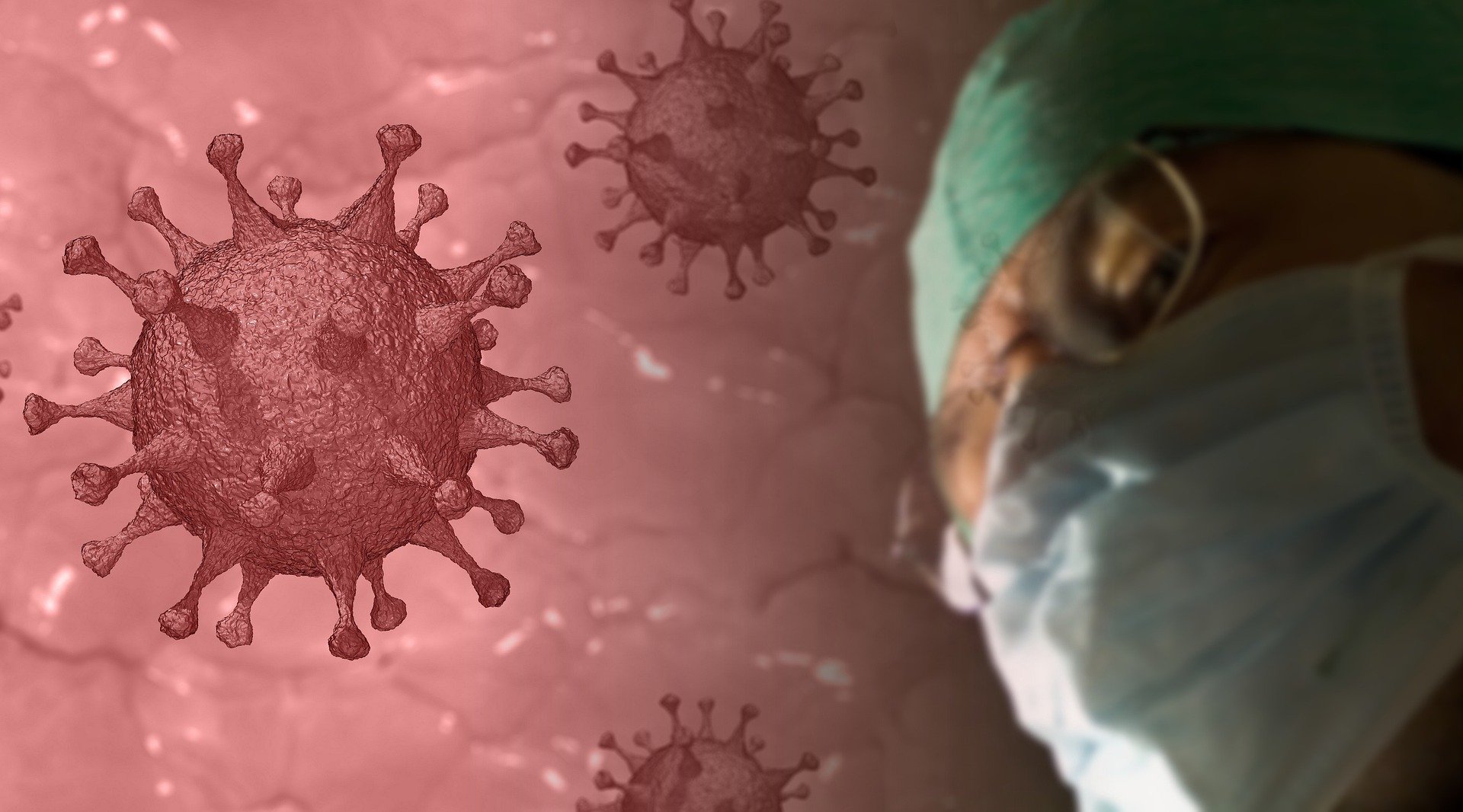
Recent reports indicate a significant increase in respiratory infections, including human metapneumovirus (hMPV), in northern China since December 2024. This surge has led to some concerns about the potential for a situation similar to what we saw during the COVID-19 pandemic.
Understanding Human Metapneumovirus (hMPV)
Human metapneumovirus is a common respiratory virus that typically causes mild cold-like symptoms such as cough, fever, nasal congestion, and shortness of breath. In certain populations, including young children, the elderly, and individuals with weakened immune systems, hMPV can lead to more severe illnesses like bronchitis or pneumonia. Most individuals recover within a few weeks without requiring specialized treatment.
Current Situation in China
The Chinese Centre for Disease Control and Prevention has observed a sharp increase in respiratory viral infections, including hMPV, particularly in northern provinces. This rise is occurring during the winter months, a period typically associated with higher incidences of respiratory infections. The World Health Organization (WHO) notes that the observed increase is within the expected range for this time of year and does not indicate unusual patterns of contagion.
Implications for Europe
In Europe, health authorities are closely monitoring the situation. The European Centre for Disease Prevention and Control (ECDC) reports that almost all countries are observing sharp increases in indicators of both influenza and respiratory syncytial virus (RSV) activity, with a visible impact in secondary care. The EU/EEA 10% primary care test positivity threshold signalling the start of the influenza season has been reached, with influenza A(H1N1)pdm09, A(H3N2), and B viruses co-circulating.
While hMPV is not currently considered a direct threat to Europe, the Health Protection Surveillance Centre (HPSC) and the ECDC are tracking the virus, which appears to coincide with other seasonal respiratory infections.
Preventive Measures
To mitigate the spread of respiratory infections, including hMPV, health authorities recommend the following measures:
- Vaccination: Stay up to date with recommended vaccines, particularly for influenza and COVID-19, to reduce the overall burden of respiratory illnesses.
- Hygiene Practices: Regular handwashing, covering coughs and sneezes, and wearing masks in crowded places can help prevent the spread of viruses.
- Stay Home When Unwell: If experiencing symptoms of a respiratory infection, it’s advisable to stay home to avoid transmitting the virus to others.
- Seek Medical Advice if Necessary: Consult a healthcare professional if symptoms worsen or if you are in a high-risk group.
While the increase in respiratory infections in China is notable, it aligns with expected seasonal patterns. Health authorities in Europe are vigilant and continue to monitor the situation to ensure public health safety. By adhering to preventive measures and staying informed, individuals can contribute to reducing the spread of respiratory infections.