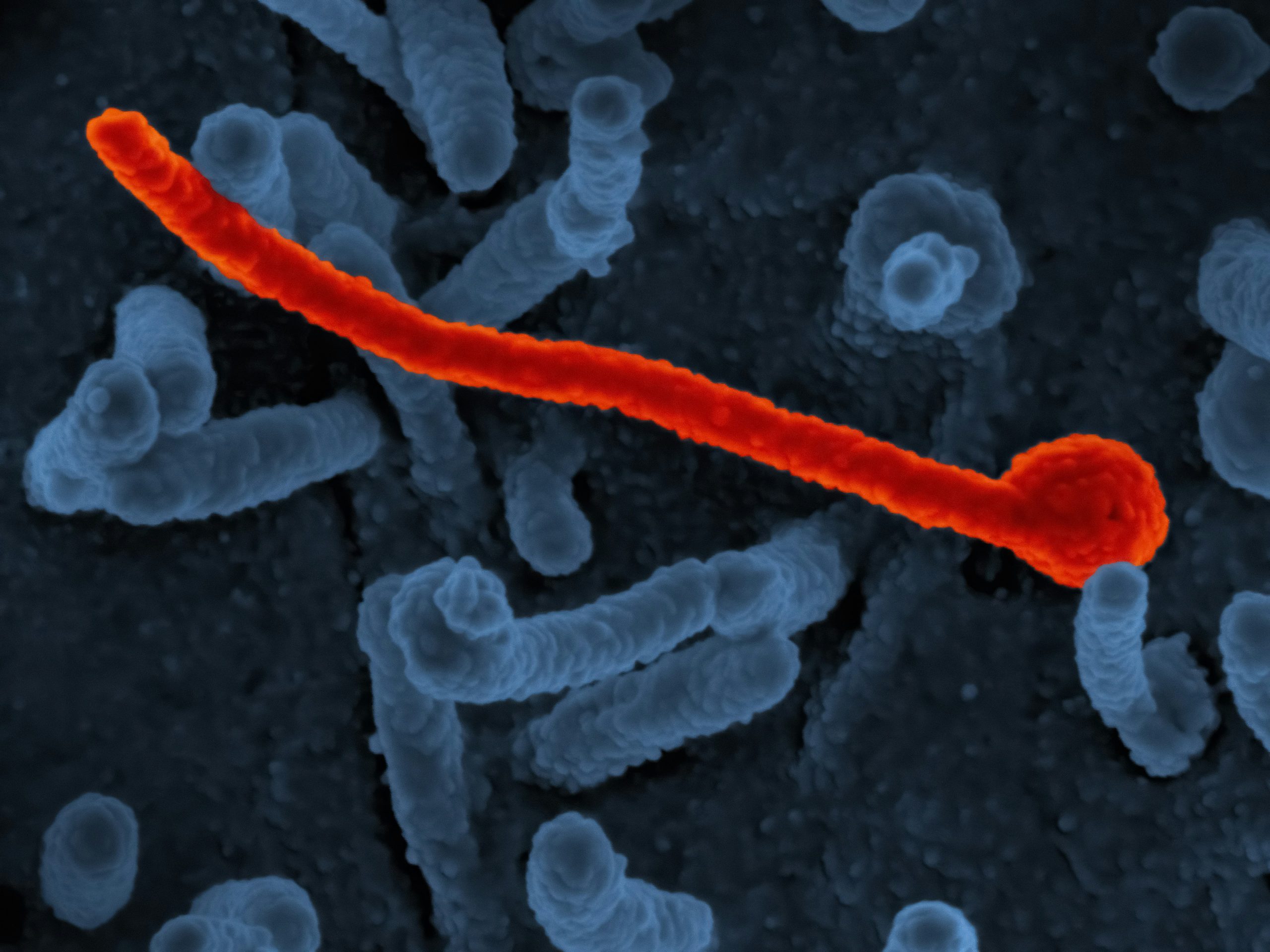
Australia is known for its beautiful landscapes, unique wildlife, and vibrant culture. It is an extremely popular travel destination for Irish people, who go in their thousands each year. However, while it may be an exciting travel destination, there are certain health risks that travellers should be aware of. Only in the last few days has a child died from Murray Valley Encephalitis, a disease that can cause severe neurological if not fatal damage, with another picking up the disease in New South Wales. From extreme weather conditions to dangerous animals, here are just some of the health dangers of travelling to Australia.
Extreme Heat

Australia is known for its hot and dry weather conditions, particularly during the summer months. This extreme heat can be dangerous for those who are not used to it, like us Irish, as it can lead to dehydration, heat exhaustion, and heatstroke. It is important to stay hydrated and avoid prolonged exposure to the sun during the hottest parts of the day. It is also essential to wear appropriate clothing and to seek shade whenever possible.
Sunburn
Australia has the highest rate of skin cancer in the world, and this is largely due to the country’s exposure to the sun. It is essential to wear sunscreen with a high SPF rating, as well as protective clothing and a hat to protect yourself from the sun’s harmful rays.
Insect-borne Diseases
Australia is home to a variety of insects, including mosquitoes and ticks, which can carry a range of diseases such as Ross River virus, dengue fever, and Lyme disease. Travelers should take precautions to protect themselves from insect bites by wearing long-sleeved clothing, using insect repellent, and sleeping under mosquito nets where necessary.
Marine Stingers
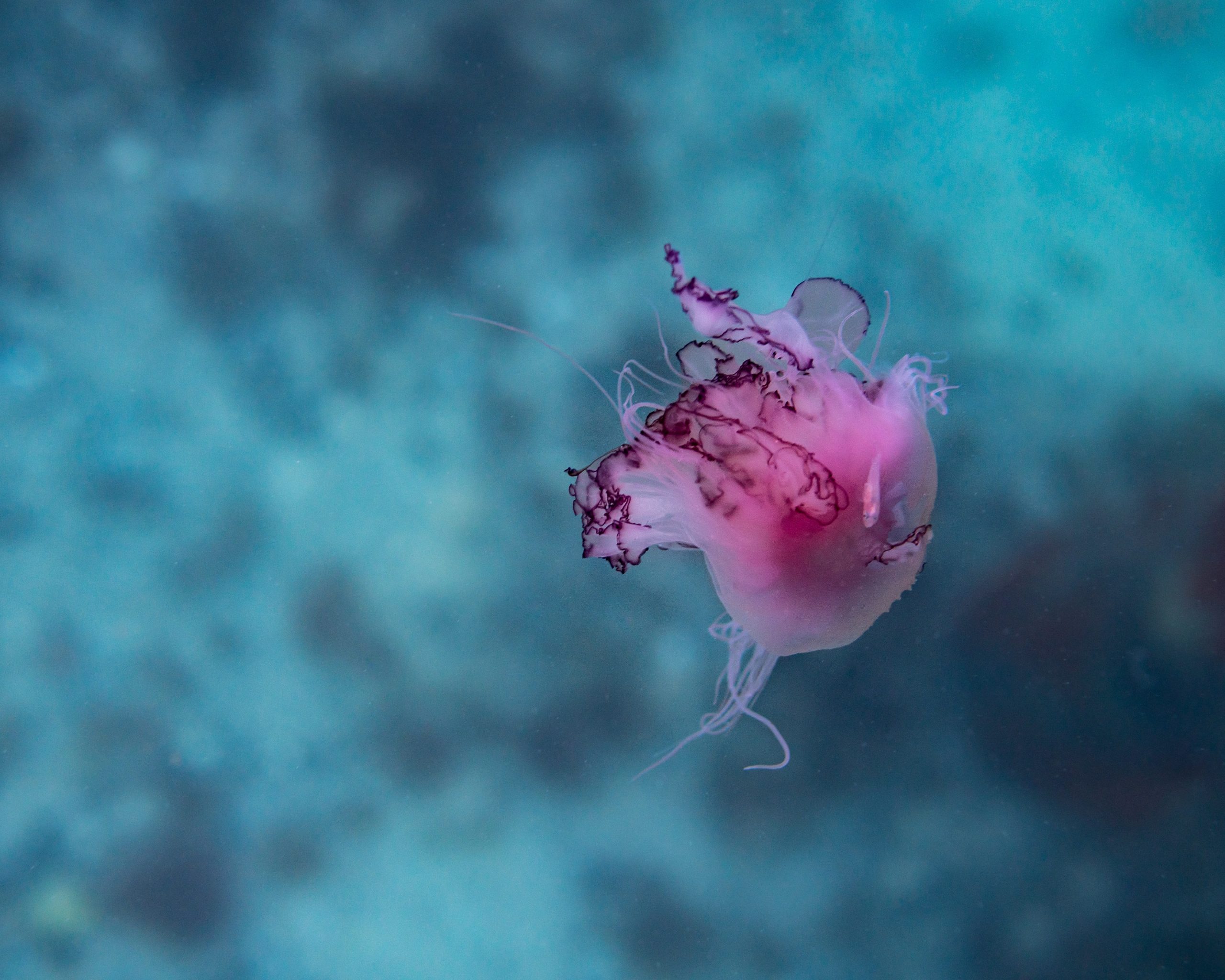
Australia’s coastal waters are home to a variety of marine stingers, including jellyfish, bluebottles, and box jellyfish. These creatures can cause painful and potentially fatal stings, particularly during the summer months. It is important to swim at beaches with lifeguards on duty and to follow any warnings or advisories about stingers in the water.
Dangerous Wildlife
Australia is home to a variety of dangerous wildlife, including crocodiles, snakes, spiders, and sharks. While attacks on humans are rare, it is important to take precautions when venturing into areas where these creatures are known to live. This may include wearing protective clothing, avoiding swimming in rivers or lakes where crocodiles are known to live, and staying away from areas where snakes are known to be active.
Food and Water Safety
While Australia generally has high standards of food and water safety, travellers should still take precautions to avoid foodborne illnesses. This may include washing hands frequently, avoiding street food, and drinking only bottled water or boiled and filtered water.
In conclusion, while Australia is a beautiful travel destination, it is important to be aware of the potential health risks. By taking precautions and following local advice, travellers can stay safe and enjoy all that this amazing country has to offer. You can find more info on preparation for visiting Australia here.