Travelling with food allergies can sometimes feel daunting, but it is possible to enjoy a lifetime of travel once you follow some simple steps. By planning ahead and taking precautions, you can be allergy aware and safe wherever you go. Here are some straightforward tips for travelling with food allergies.
Choose the right accommodation
Take some time to research your trip so you can enjoy your journey without constantly worrying about your allergies. Choose your accommodation wisely by calling ahead to learn about their food allergy policies. Whether you decided to stay in a hotel, hostel, or apartments try to book accommodation with a kitchen, and find out where local groceries can be purchased. This way you won’t have to worry about eating out all the time.
Get travel insurance
You should have travel insurance at the top of your list. Travel insurance is not only helpful for medical care in other countries but also helps if anything unexpected happens and you need to cancel or change your flights.
Carry a first aid kit
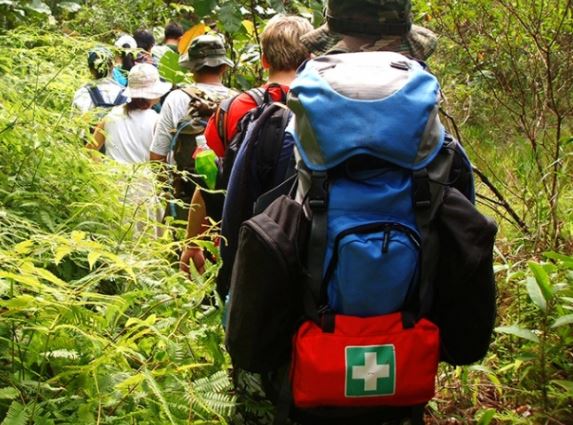
Pack a first aid kit with all your medications, including extra EpiPen and your Food Allergy Action Plan. This consists of recommended treatment in case of an allergic reaction, is signed by your GP and includes emergency contact information. Don ’t pack away your first aid kit in your checked luggage, it should always be easily accessible.
Food allergy apps
There are dozens of free apps to help people with food allergies and food sensitivities. A useful app to download is smart-ICE (In Case of Emergency). With this app, you can keep your emergency contacts, doctor’s information, medical information, and any prescription information or medicines you’re taking all on your phone. This is a great app to have in case of an emergency.
Ensure a safe plane ride
If you have serious reactions to any common allergens, it is imperative you verify that your flight will be safe. For example, if you have a peanut allergy, call the airline before booking and ask what their allergy policies are. Every airline is different and some are more helpful than others. Most need the notice to make accommodations. Even after you have discussed your allergies with the airline always tell the flight attendant about your allergies before boarding the plane. Make sure you feel 100% safe and before you board the plane.
Learn the local language
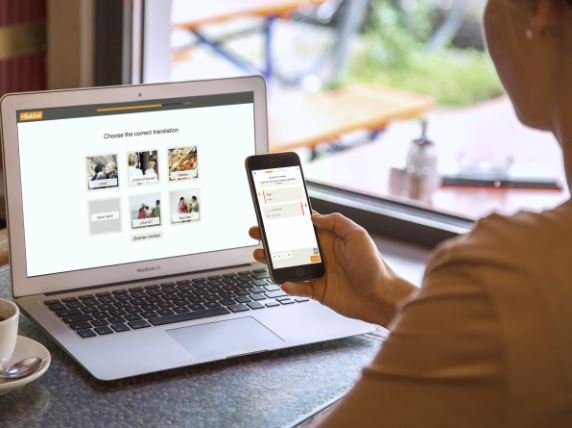
Try to learn as much of the local language as possible, especially the terms associated with allergies. This way you can recognize what your allergens are called, and explain yourself if you are having a reaction and need help. Hellolingo.com is a free language sharing site and Duolingo is a great language learning app that can help you pick up the local language easily.
Find out where to eat ahead of time
There are several things you can to do while travelling to make eating easier and safe. Do some research ahead of time to see what dining options are available at the destination you are visiting. Biteappy is a worldwide directory of allergy-friendly restaurants locally or abroad. Search for allergy-friendly restaurants to make eating out an easy and enjoyable experience.
Travel Health
We hope that you find these tips for travelling with food allergies useful while you travel abroad. For more travel health tips and advice call your local TMB travel health clinic and speak to one of our qualified professionals.