If you are planning a winter sports holiday you are bound to be excited about the thought of hitting the slopes and leaving all of your worries behind. Or, you may be staying at home and planning on trying some winter sports out here. However, with all sports come risks.
Whether you are jetting off to Austria or France, or visiting Galway or Dublin, here are the top ten tips for having fun and staying safe while partaking in exciting winter sports!
- With the risk of injuring yourself being high, when compared to a beach holiday, it is advisable to take out a travel insurance plan which will cover you for all winter sports activities that you plan to take part in.
- To make sure you’re prepared for the weather conditions, stay up to date with the weather forecasts for your planned destination a few weeks prior to your departure date.
- Remember, the higher you climb, the less oxygen there is to breathe. If you begin to feel sick, be sure to ascend the slope slowly and perhaps stay at a lower elevation the night before you ski so your body can adjust to the lower oxygen concentrations.
- Après Ski is a big part of any skiing holiday, however, drinking too much alcohol, coffee or tea is not advised as they can contribute to dehydration. If you are planning to ski, it is recommended that you drink at least eight, 8-ounce glasses of liquid a day.
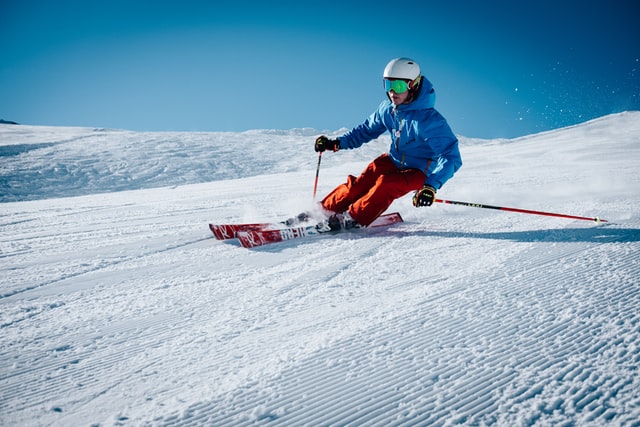
- Your wardrobe can be fashionable as well as functional on your winter sports holiday. Wear tight fitting clothing to avoid the risk of your garments becoming caught in ski lifts. Always wear the appropriate clothing for each activity you plan on taking part in.
- When skiing, always wear sunglasses to avoid getting painful sunburn on your eyes. It also recommended to wear a sunscreen with a rating of at least SPF 35. Every 1,000 feet you ascend is equal to at least a 5% increase in UV intensity.
- If you have a tendency to develop frost bite or chill blains, be prepared and pack any remedies that you may need.
- Be safe and be seen! Wear colourful clothes when you are on the slopes so you can be seen by other skiers.
- In case of emergency, always carry an emergency kit that at a minimum contains a whistle, your mobile and an aluminium wrap. Always tell your friends of your plans so they can find you in an emergency.
- If you plan to take to the ice and are not a professional skater, keep it simple. Fancy footwork can too easily result in twisted ankles & head injuries.
Travel Health
We hope that you find these tips useful while you travel abroad. For travel health tips and advice call your local TMB travel health clinic and speak to one of our qualified professionals. Our experts will guide you through the health requirements for your destination, telling you all you need to know about vaccinations, mosquito bite prevention and food hygiene.